The opening segment of the conference program focused on data management, specifically on the technologies and tools for efficient data handling at a European scale, including the potential of distributed systems. Jiří Vondrášek, head of the ELIXIR CZ infrastructure and the lead of the EOSC CZ Bio/Health/Food working group, kicked off the program with an introductory lecture on the topic. He was joined by guest speakers Niclas Jareborg, Petr Baldrian, and Matej Antol, the main manager of the IPs EOSC-CZ project, who highlighted the support for data management through the ELIXIR Compute Platform.
Data Stewardship and the Role of Data Stewards
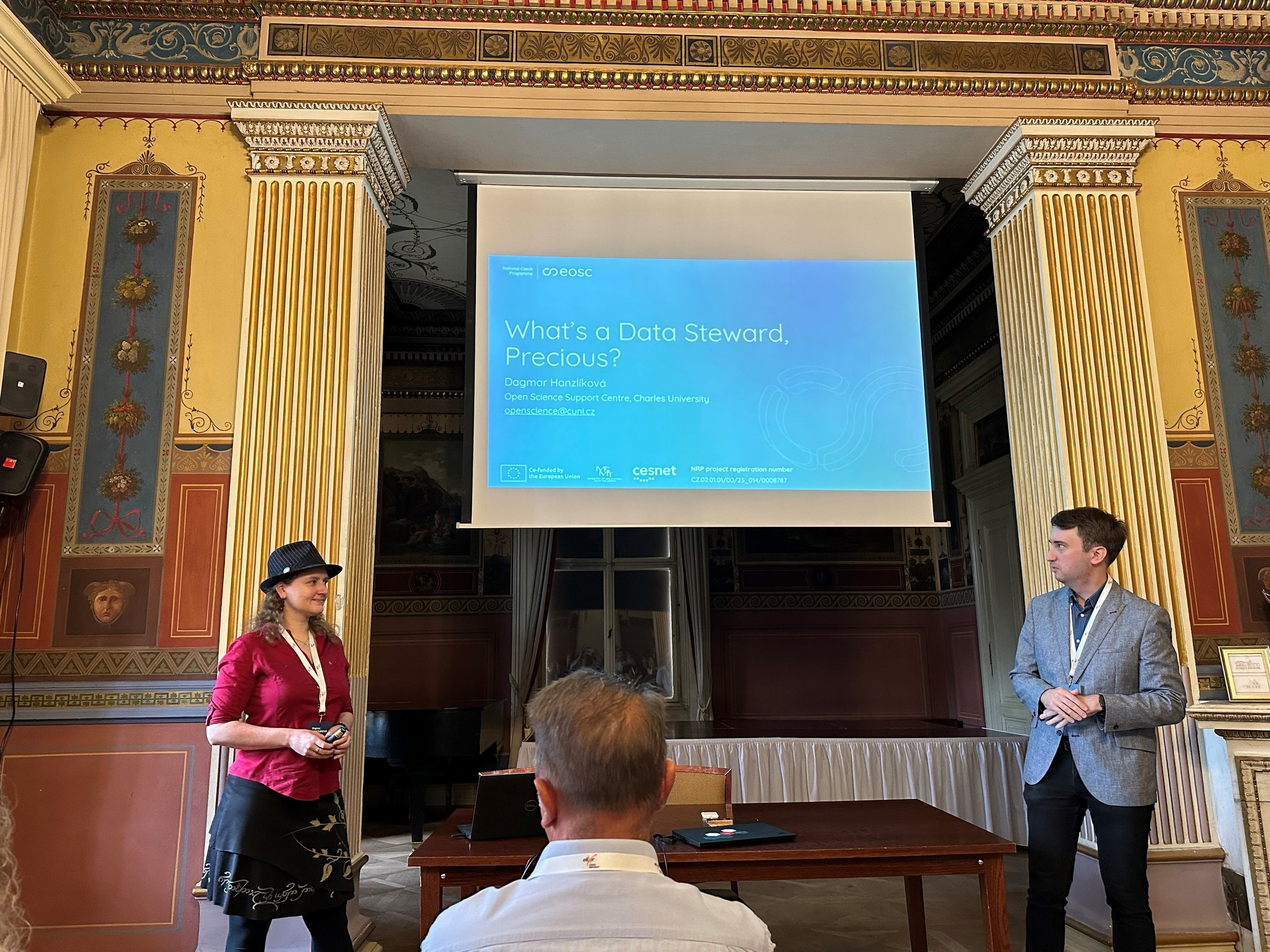
The conference also echoed the theme of data stewardship and the role of data stewards, which received the most attention during the second and third days. Several presentations focused on tools and best practices for data management. Marek Suchánek introduced the Data Stewardship Wizard (DSW), which assists in planning data management, while other presentations explored the use of data tools in academic institutions. Dagmar Hanzlíková's talk highlighted the role of data stewards across institutions.
The theme of data stewardship was interwoven with other presentations, including discussions on electronic lab notebooks, distributed data management, and FAIR data. A significant moment was the final discussion on best practices in data management, led by Karel Berka from Palacký University in Olomouc.
EOSC CZ Initiative Presented on the Third Day
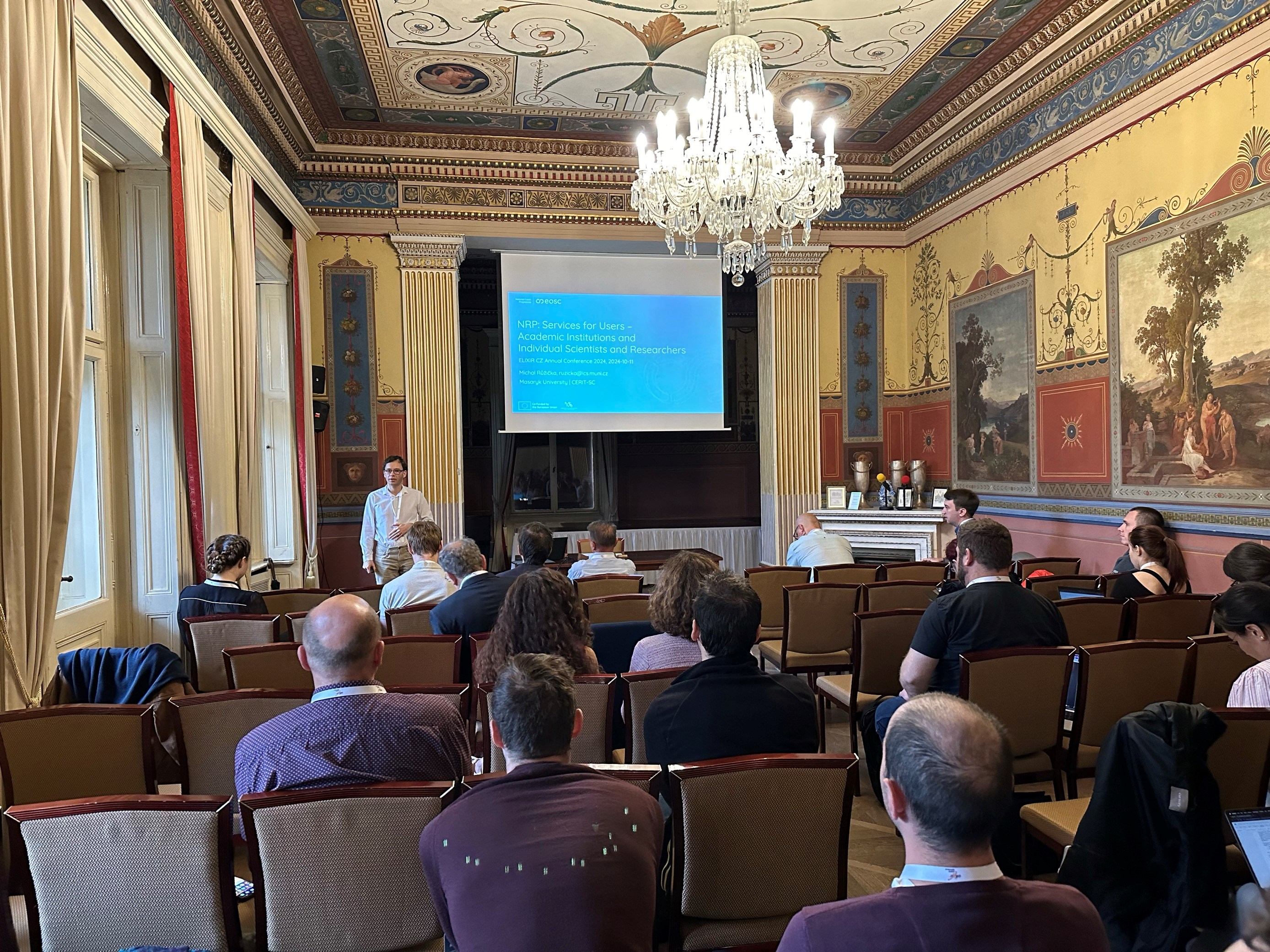
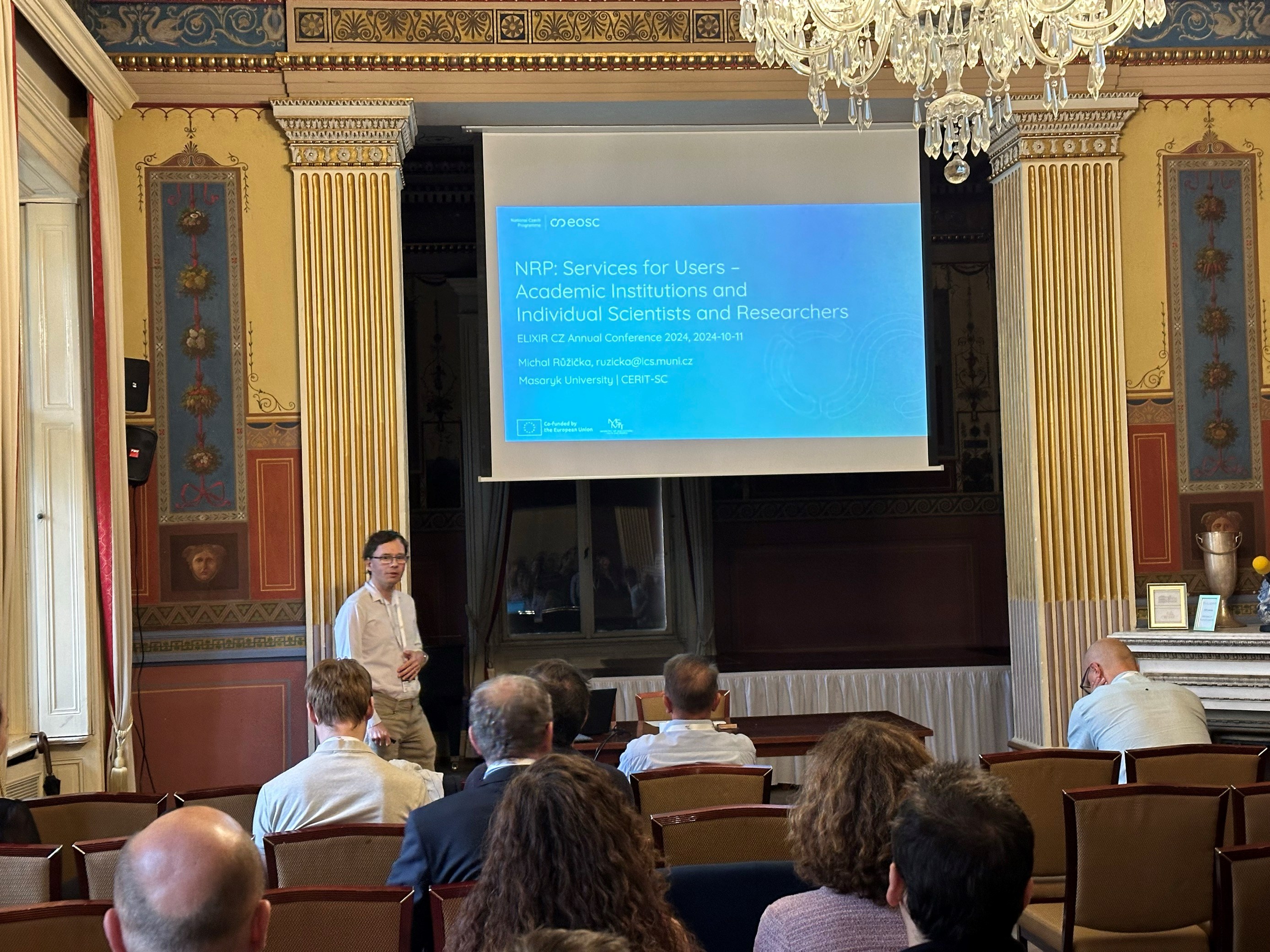
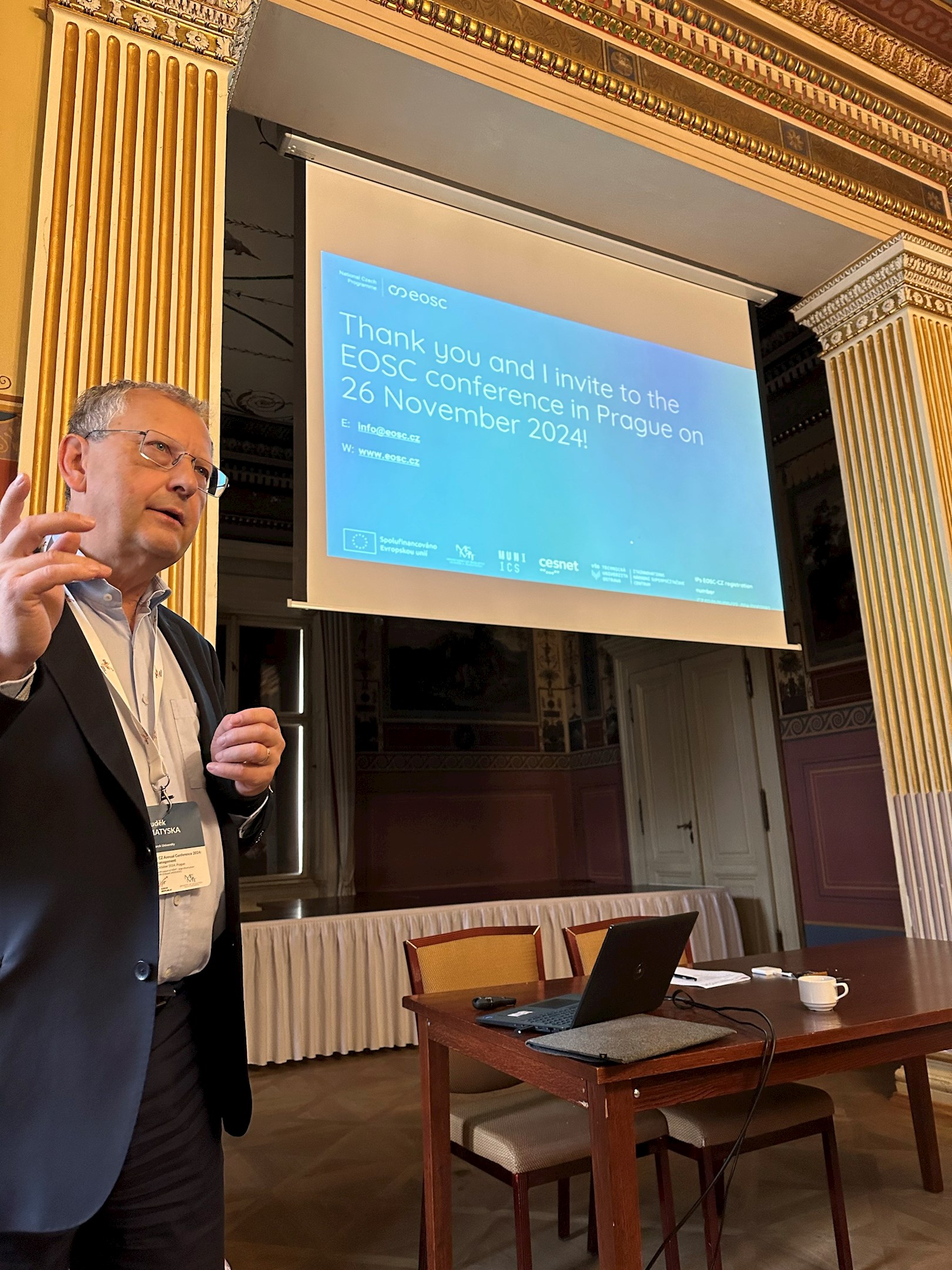
A key segment of the third day focused on the EOSC CZ initiative and the National Repository Platform for research data (NRP). Jiří Marek, head of the EOSC CZ Secretariat, opened the morning session with a presentation on the initiative’s overall direction, followed by Luděk Matyska, who spoke about how the NRP will benefit the scientific community. Michal Růžička then outlined the planned services the NRP will provide.
“Data management is now an essential part of every research project, and this conference clearly demonstrated that it is becoming a standard practice across scientific disciplines. One of the key topics was collaboration—not only among individual researchers and institutions but also on a national level. I am pleased that the EOSC CZ initiative contributes to making research data more accessible and efficiently used by the scientific community,” summarized Jiří Marek, reflecting on the conference.
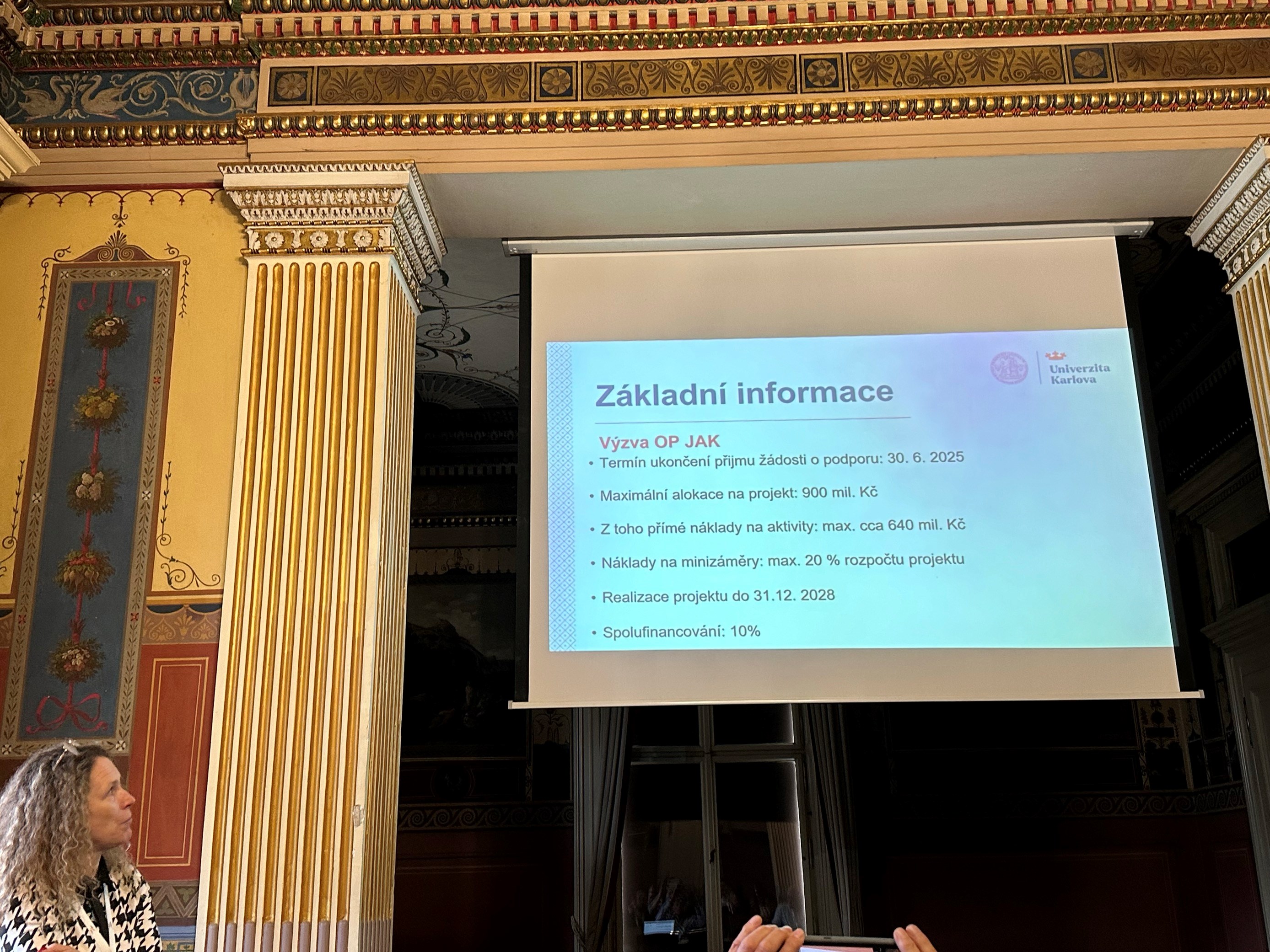
The final presentation was given by Jitka Baťková, who introduced the current state of the Open Science II project proposal for the OP JAK call, aimed at developing thematic repositories and managing sensitive data within the EOSC CZ initiative.
The conference not only introduced innovative tools and strategies but also emphasized the importance of national collaboration in advancing data management and supporting open science.